
Our offer is only for you if you are of legal age. Please confirm that you are at least 18 years old to proceed.


What Flavors Are There for Hookah Tobacco?
 Updated October 13, 2025 4 min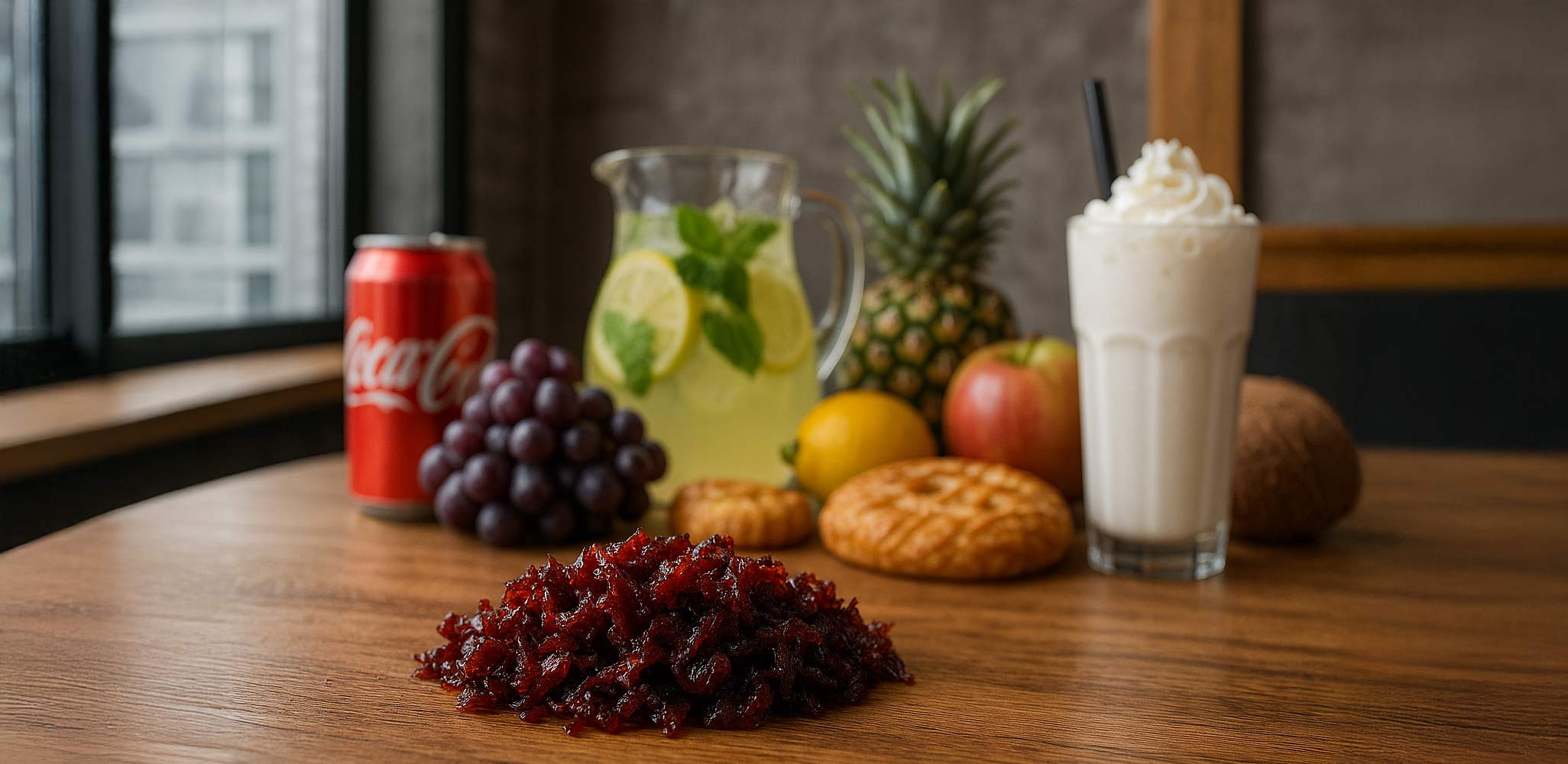
The world of hookah tobacco varieties is colourful, loud and incredibly diverse. Whether you are just dipping into the scene or have been smoking regularly for years, at some point you notice: hookah tobacco flavour is much more than just „smoking". It is about memories, associations and small moments of enjoyment that can really trigger something and make the hookah experience so special.
Many of the most popular varieties rely on exactly what we perceive as sweet, refreshing or simply pleasant. And very often these are aromas that remind us of childhood snacks or sweets we have known forever: sour worms, cinnamon chewing gum, orange Tic Tacs or Em-Eukal cough drops. Many manufacturers such as Al Waha, Adalya, True Passion, Hookain or 187 Strassenbande deliberately compose their varieties so that exactly these flavour images pop up in our heads. The result: a tobacco for your hookah that feels like home.
Whether fruity, sweet, creamy or something really unusual, in this article we dive into the colourful world of hookah aromas.
What to expect in this article
- How hookah tobacco gets its flavour in the first place
- How aromas are produced: natural, nature-identical, artificial
- Why the same variety tastes different with every manufacturer
- Which aromas are currently trending in the scene
- Which varieties suit beginners, connoisseurs and the experimental
How does the flavour get into hookah tobacco varieties?
The flavour of hookah tobacco is created by aromas that are mixed into the tobacco. These are part of the molasses but make up only a minimal component of it. The largest part of molasses is glycerine, and the next largest part consists of sweeteners like honey or glucose.
The glycerine intensifies the aromas and provides a nice, dense smoke development.
The tobacco itself (the smoke base) is fairly neutral or has its own basic tobacco taste. Most manufacturers here rely on Virginia tobacco, but there are also some Burley suppliers. However, Burley tobacco is somewhat more demanding to process due to its more robust nature and its strength.
So the aroma substances go into a mixture of tobacco, sweeteners and humectants. When heated by natural charcoal or with electric solutions like the XKAH Pro, they are released and provide the flavour that we perceive for the most part through our nose.
How are aromas for hookah tobacco produced?
Aromas can be produced in various ways:
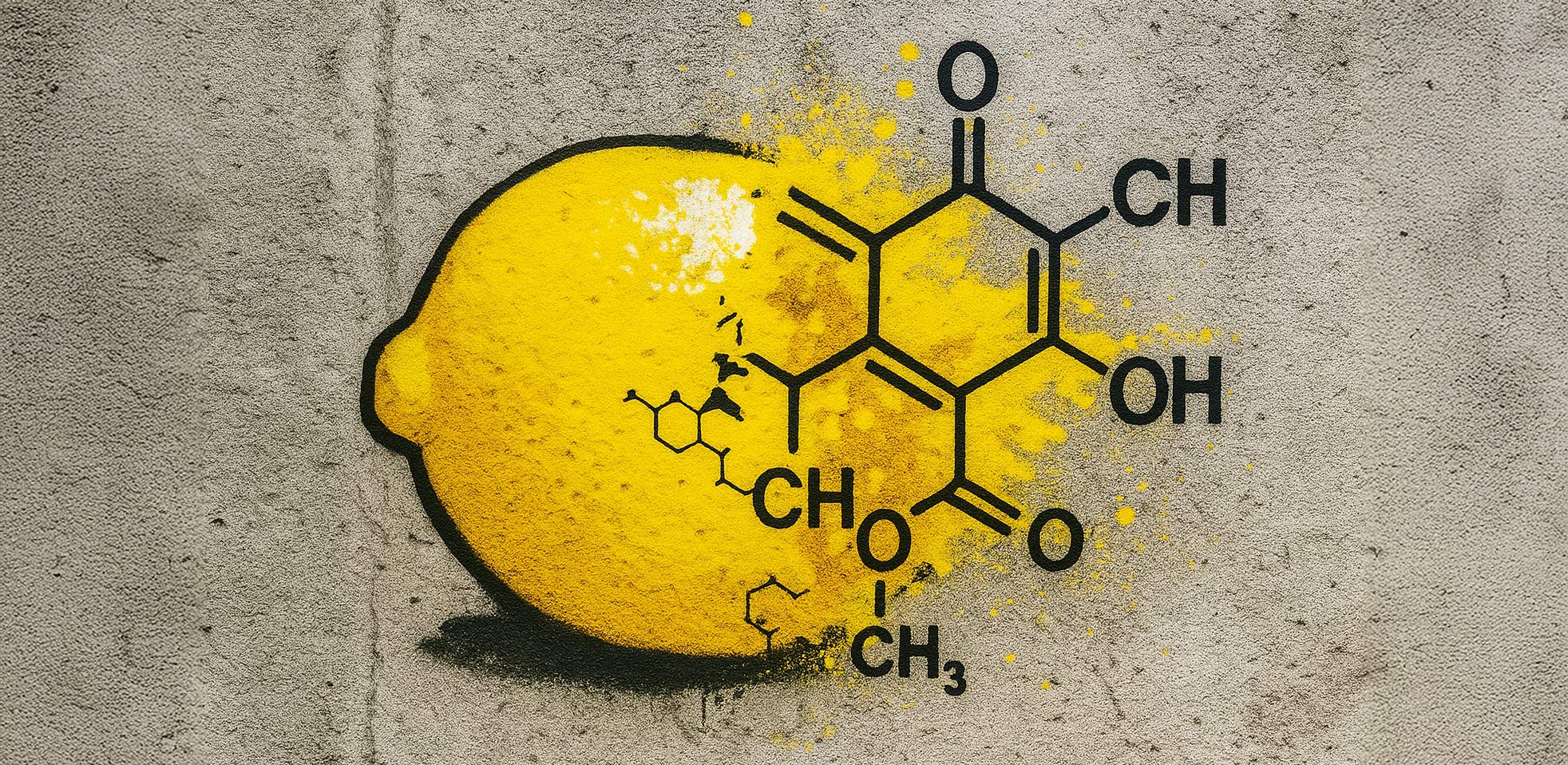
- Natural aromas: These are aromas obtained from plant, animal or microbiological sources, mostly through extraction, distillation or fermentation.
- Nature-identical aromas: Chemically produced but identical to a naturally occurring aroma substance. An example is vanillin, the taste and smell molecules are the same as in natural vanilla.
- Artificial aromas: These are synthetic and often not identical to natural aroma substances, but they can smell or taste similar.
The methods for obtaining natural aromas
Extraction
In extraction, aroma substances are dissolved out of plant or animal raw materials with the help of solvents or techniques like cold pressing. With citrus fruits, pressing the peels is often used, while for herbs or spices solvent-based methods are common. The process is gentle and allows the targeted extraction of specific aroma components.
Distillation
Distillation uses heat to separate volatile aroma substances from the remaining components. A classic is steam distillation, as used in the production of essential oils. Through evaporation and subsequent condensation, pure, highly concentrated aroma substances are created for food, drinks and perfumes.
Fermentation
In fermentation, aromas are created through the microbial breakdown of organic substances. Bacteria, yeasts or moulds transform starting materials into complex aroma profiles. Typical examples are cheese, chocolate or soy sauce. Fermentation is particularly versatile because it produces new as well as intensified aromas.
Note: Natural aromas do not necessarily have to come from the raw materials they ultimately taste of. A vanilla aroma, for example, can be created through the fermentation of certain microorganisms without real vanilla pods being used. Strawberry aromas, too, often do not come directly from strawberries but are obtained from other fruits or plants like apples or woods through fermentation or extraction. What matters is that the aroma substances are created through natural processes like extraction, distillation or fermentation. In this way, natural aromas can be produced from very different starting materials, even if at first glance these have nothing to do with the later flavour.
Manufacturers choose depending on cost, availability, desired intensity and legal permissibility. In most cases these are aromas from the food industry (natural aromas and/or nature-identical aromas).
The carrier material (e.g. whether the aroma substance dissolves well in molasses or the tobacco base) also influences the production.
What can become an aroma?
In principle, almost any smell or taste can be reproduced. The more intense it is, the easier the reproduction succeeds. In practice, flavours are almost always made up of a multitude of individual aromas, which in turn consist of different components and together create a flavour profile:
- Impact components: the dominant molecules that stand out immediately („That tastes like the sweetness of dextrose" or „minty fresh").
- Contributory components: these provide nuances, they make grape juicier, add something green/tart, furry or a certain fruitiness that goes beyond the pure impact.
- Differential components: these are subtleties that vary depending on the manufacturer, for example how strong the coolness (mint, menthol) is or how sweet a certain fruit note is.
In addition, aromas can be modulated by mixing them with various other aromas. You know this a little from wine, every grape variety is different, but the growing region, the climate and the year also play a role in the taste of wine. This observation can also be transferred to other natural products. Take apples, for example. Every apple variety tastes different. The flavour profile of a „Granny Smith", for instance, differs considerably from that of a „Golden Delicious".
That is why there are so many different ways to combine the aromas together in order to imitate different aspects of a type of fruit.
Interestingly, it can also happen, when you mix certain aromas together, that certain aspects slow down or weaken each other. That is why the aromas of a variety have to be combined very carefully.
Why aromas taste so different with different manufacturers
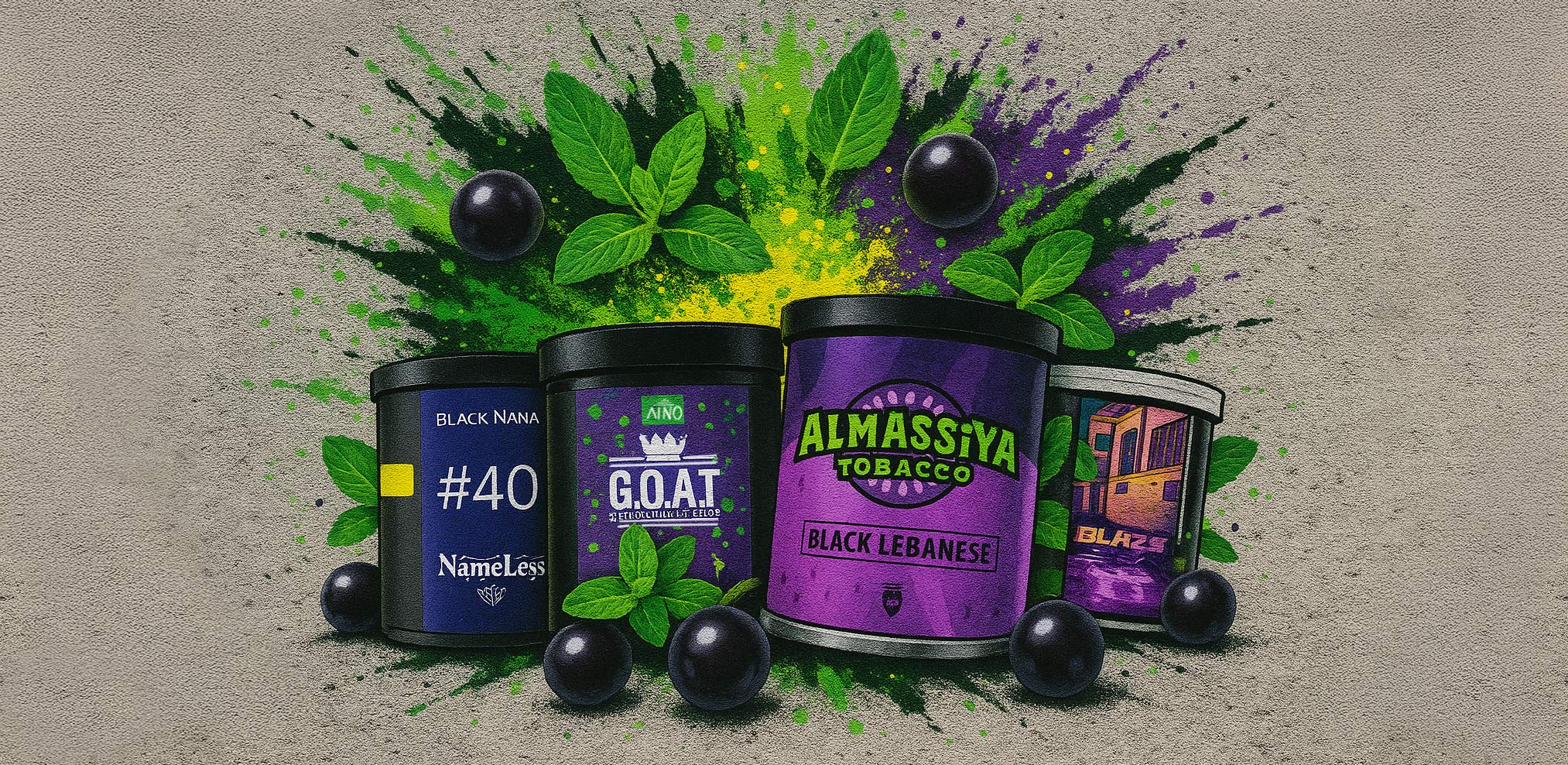
When you smoke „grape mint" from manufacturer A and the same combination from manufacturer B, the difference can be huge. This is due to several factors:
- Which raw materials were used: Different grape varieties/grape aromas, or just one. Is it menthol or mint and which of the different mint varieties was used.
- Were other aromas added to enhance flavour aspects? Where do the raw materials come from and what is their quality etc. (An aroma manufacturer with a lot of experience will typically use blends/mixtures to balance out strong variances, similarly to how you can see it with wine blending to catch vintage differences.)
- Which base material is used and how was it processed: Is it Virginia, Burley or a mix? Was the tobacco washed, steamed or processed differently? What does the molasses consist of, and are the components of the molasses rather traditional or modern?
- Mixing ratio of the aroma components: how much impact, how much contributory, are differential components present or were they added to achieve a filtering effect? (e.g. more sugar, more cooling or bittering agents)
- Processing and storage: Tobacco is a natural product, depending on the processing and tobacco blend, aromas can develop very differently.
Some manufacturers publish which fruit varieties and which aroma producers are used for their tobacco, but most keep it secret.
What are the most popular hookah tobacco aromas?
Let us get to the fun part: which aromas are currently totally hip in the scene? The hookah tobacco market is also subject to trends, for a year prickly pear is on everyone's mind, then guava, then blackberry and so on. The scene is constantly changing and new varieties bring both variety and fresh inspiration.
In general, however, there are a few tendencies that are ubiquitous in the scene, both with classics like O's Tobacco, Social Smoke, Al Fakher, Aqua Mentha, Holster, Must H and Darkside Tobacco or newer brands like stral, Revolution Tobacco, Hookahsqueeze, Maridan and Blackburn:
- Fruits are the classics: Grape + mint is one of the evergreens. But berry mix, passion fruit, blueberry, maracuja, lemon, cherry, grapefruit or exotic fruits like prickly pear or mango are also in high demand. Varieties like Maridan Tingle Tangle or Holster Ice Kaktuz are among the best-known representatives.
- Desserts and creams: Many hookah connoisseurs swear by varieties that are sweetish or creamy, like vanilla or milkshake, but pastry notes also like to serve as a model here. An excellent representative is, for example, the ANDA Blue To Teta, which tastes of blueberry pancakes.
- Cooling / ice note: Especially in combination with fruits, menthol or ice provides the freshness kick, but in combination with creamy aromas cooling is a nice addition too.
If you want to know how to combine different hookah tobacco varieties into a perfectly harmonious mix, take a look at our blog article Hookah Tobacco: Mixology Basics.
Which varieties are suitable for whom?
- Hookah lovers often try very different, new and unusual aromas and mixes.
- Hookah connoisseurs pay attention to details like nicotine content, intensity and fine nuances.
- Hookah beginners are best off just trying things out first. However, there are still a few interesting alternatives for getting informed.
In addition, we have a blog article on the topic of Best Hookah Tobacco, and you can sign up for our free newsletter.
On social media channels you can wonderfully discuss with the hookah community and get recommendations on trends and new brands. But what you should always keep in mind: in the end every smoker has their own preference, from sweet-fruity to tart-spicy.
Conclusion
The variety of flavours is enormous, and that is no wonder. Hookah tobacco is an experience for all the senses, and even when several manufacturers try their hand at the same variety, something entirely unique always emerges in the end.
The next time you smoke Black Nana from Nameless, for example, try to taste exactly what makes this tobacco so special, and compare it with the „grape mint" of another manufacturer, like the Blaze Black Namik, the AINO G.O.A.T. or the Al Massiva Black Lebanese.
In the end only one thing counts: that you like it, whether variants with fruits, blossoms or even fun varieties like bacon.
And if you are looking for inspiration: in our online shop you will find a huge selection of hookah tobacco varieties as well as further hookah accessories, perfect for your next hookah session.
So: have fun trying, combining and enjoying, and as always: good smoke to you always!
Your Moze Team
FAQ: hookah tobacco flavour
How long does hookah tobacco last before the flavour fades?
Hookah tobacco usually keeps for several months, as long as it is stored airtight and cool. After opening, it should be used up within 6 months. Aroma and moisture, however, can already fade after 2 to 3 months. That is why it is worth opening only as much tobacco as you can use up in a short time.
Which hookah tobacco is best suited for beginners?
For beginners, fruity varieties with a light nicotine content are recommended, for example watermelon, peach or grape mint. These varieties are mild, easy to smoke and not too overwhelming. Many beginners start with well-known hookah tobacco brands, as these offer consistent quality and a large variety of flavours.
Is there also nicotine-free hookah tobacco?
Yes, there are nicotine-free alternatives to tobacco, like Hookahsqueeze pastes or Smoke Island tobacco substitute on a cellulose basis. These contain no tobacco and thus no nicotine either, but still offer full flavour and good smoke development.
Can you mix different hookah tobacco varieties together?
Absolutely. Many hookah connoisseurs create their own mixtures, for example berry mix with mint or lemonade with citrus fruits. What is important is that the aromas complement each other and do not overlay each other.
Which hookah tobacco tastes the most intense?
That depends strongly on the manufacturer and the variety. Brands like Social Smoke, Hookain or 187 Strassenbande are known for strong aromas and high intensity. Anyone who likes it even more intense can reach for Dark Blend varieties. These usually have a higher nicotine content and a stronger aroma.
Which fruits are there as hookah tobacco?
The selection is very large. There are varieties with watermelon, pear, lime, honeydew melon, passion fruit, peach, apricot, mandarin, blueberry, mulberry, melon, strawberry, mango, raspberry, lemon, cherry or grapefruit. Especially popular are citrus fruits, grape and exotic fruits with a sweet, tart or tangy taste.
You might also be interested in
Knowledge